
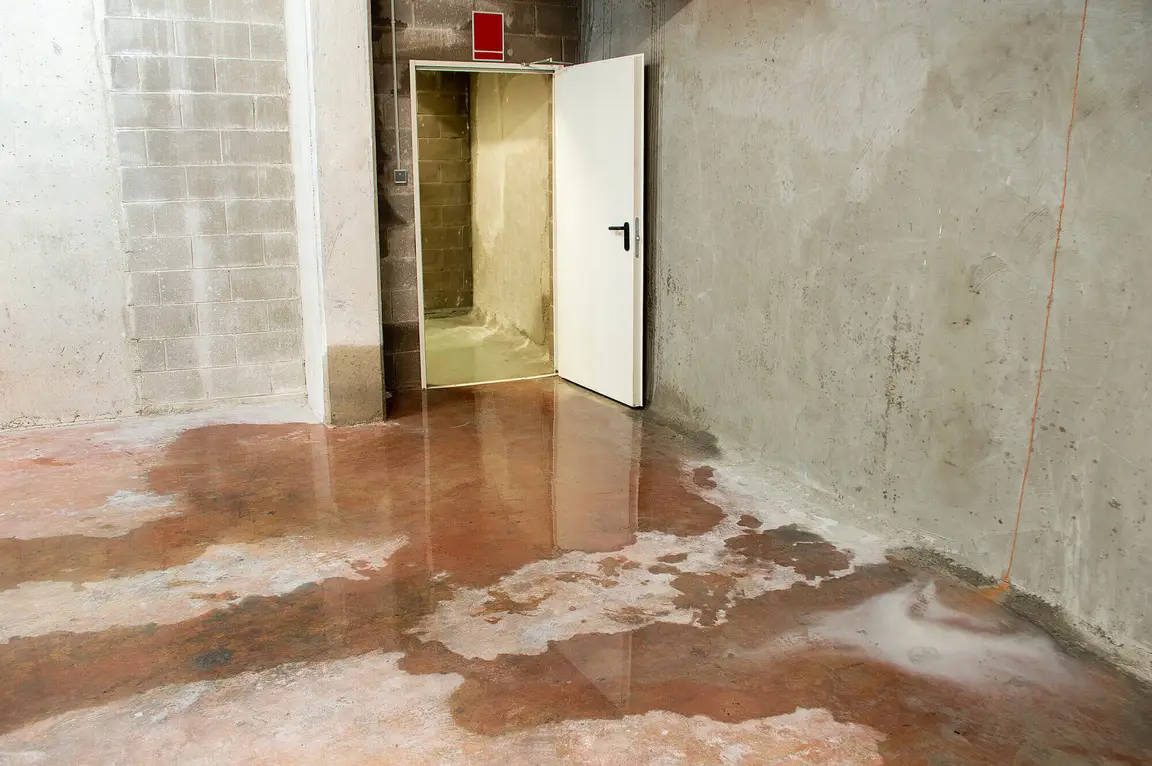
Not All Water Damage Insurance Claims Are Created Equal
The first question most sellers ask me is whether insurance will cover the damage, and the honest answer is that it depends entirely on how the water got in. A standard Washington homeowners policy typically covers water damage that’s sudden and accidental, like a burst supply line or a washing machine hose that fails overnight. What most policies exclude is damage from a slow, ongoing leak, chronic seepage through a foundation, or long-term moisture buildup in a crawl space, since insurers classify that as a maintenance issue rather than a covered loss. Flooding from rising water, like a creek overflowing or storm runoff pooling against the house, is excluded from standard policies entirely and requires a separate flood policy through the National Flood Insurance Program, which very few homeowners in our area actually carry.
That distinction matters a lot in Seattle and the greater Puget Sound area, where our older housing stock, heavy annual rainfall, and hillside drainage patterns create exactly the kind of slow-moving water problems insurance tends not to cover. A lot of homes I look at in West Seattle, Rainier Valley, and South King County were built decades ago with drainage systems and crawl space vapor barriers that were adequate at the time but haven’t kept pace with how much rain actually reaches the foundation each winter. When a claim gets denied because the cause is classified as gradual damage rather than a sudden event, sellers are often left facing the repair bill on their own, right at the moment they’re also trying to figure out how to sell.
Washington’s Disclosure Law Doesn’t Let You Just Move Past It
Washington requires most residential sellers to complete a Seller Disclosure Statement, commonly called Form 17, under RCW 64.06. That form asks directly whether you know of any water intrusion, moisture problems, or defects related to the roof, foundation, basement, or crawl space, and it isn’t a formality. If a buyer later discovers water damage you knew about and didn’t disclose, you can be on the hook for the repair costs and, in some cases, legal fees, well after closing. Washington law also gives buyers a rescission window after receiving the disclosure statement, which means a poorly timed or incomplete disclosure can unravel a sale that otherwise looked finished.
This is exactly where a lot of sellers get stuck. You either disclose the water damage and watch buyers get nervous or walk away, or you try to patch things up cosmetically and hope no one notices during inspection, which usually backfires and creates bigger legal exposure than the original problem. When I buy a house directly, the disclosure conversation still happens, since I want to know exactly what I’m buying, but there’s no buyer getting cold feet over a moisture reading on an inspection report, because I’m not financing the purchase through a lender who requires one.
Mold Moves Fast in Our Climate
Mold can start growing within 24 to 48 hours of a surface staying wet, and our wet, mild Western Washington climate is close to ideal for it once moisture gets trapped somewhere without airflow, like a crawl space, behind drywall, or under old carpet padding. By the time a lot of sellers notice a musty smell or discolored drywall, the mold has usually been established for weeks or months. Remediation isn’t cheap. Depending on how far it’s spread, professional mold removal in this area commonly runs anywhere from a few thousand dollars for a contained area to well over twenty thousand for a widespread infestation that requires removing drywall, insulation, and flooring.
Mold and active moisture also tend to derail traditional financing. FHA and VA appraisers are required to flag visible mold or moisture intrusion, and the loan typically can’t close until it’s remediated and re-inspected, which can add weeks or months to a sale and puts the repair cost back on the seller regardless of who technically caused the damage.
A Situation I See Often in South King County
This isn’t one specific client, it’s a pattern I run into regularly. A homeowner discovers water staining in a basement or crawl space, usually after a heavy rain season, and gets a quote for repairs that runs into the tens of thousands of dollars once mold remediation, drainage correction, and drywall replacement are all added up. They don’t have the cash to fix it, their insurance denies the claim because the damage built up gradually, and listing the house as-is on the open market means disclosing the exact same defect to every buyer who tours it, most of whom will either walk away or demand a price reduction that eats up more equity than the repair would have cost in the first place. In situations like that, selling directly to me lets them skip the repair, skip the disclosure standoff with a financed buyer, and close on a set date without spending money they don’t have on a house they’re trying to leave behind.
Selling a House with Water Damage?
Get a fair cash offer, no repairs or mold remediation required.
What I Walk Sellers Through
- Look at the water damage and any related mold or moisture, either from photos or an in-person walkthrough, whichever is easier for you.
- Give you a straightforward cash offer that already accounts for the repair, no need for you to get contractor quotes first.
- Handle the disclosure conversation directly with you so there are no surprises for either side.
- Put a firm closing date in writing, typically 7 to 14 days out or later if you need more time.
- Close through escrow with no repairs, no remediation, and no re-inspection required.
Where Sellers Lose Money
Listing a water-damaged house on the open market usually means paying for repairs upfront just to get it in sellable condition, then waiting to see if that investment pays off. Mold remediation, drywall, flooring, and drainage correction can easily run into five figures before the house ever hits the market. Even after that, a mortgage-backed buyer’s appraiser or inspector may still flag residual moisture or a related issue you didn’t know about, which reopens negotiations or kills the deal outright. Add in the carrying costs of a mortgage, taxes, and insurance while all of this plays out, and a lot of the equity that was supposed to fund your next move gets eaten up by repairs and delays instead.
Why Sellers With Water Damage Call Me
I buy houses in the condition they’re actually in, water damage, mold, and all. There’s no requirement to remediate before closing, no appraisal contingency to worry about, and no financed buyer backing out after an inspector finds moisture in the crawl space. I’ve been buying homes across Seattle and the greater Puget Sound area for 10 years, and I close on a timeline that works for you, often in as little as 7 to 14 days.
Need To Sell A House With Water Damage?
Contact us for your cash offer today.
Water Damage Home Sale Questions I Get Asked Most
Will my homeowners insurance cover water damage before I sell? It depends on the cause. Sudden events like a burst pipe are typically covered, while gradual leaks, chronic seepage, and flooding usually aren’t under a standard policy. Check with your carrier directly, since coverage details vary.
Do I have to disclose water damage even if I already repaired it? Washington’s Form 17 disclosure asks about known past and current defects, so previously repaired water damage generally still needs to be disclosed. I’d recommend discussing the specifics with an attorney if you’re unsure how to phrase it.
Can you buy a house with active mold? Yes. I buy houses with mold, water staining, and moisture issues as-is. You don’t need to remediate anything before we close.
How fast can you close on a water damaged house? Often in as little as 7 to 14 days once we agree on terms, or on a later date if that works better for your situation.
Will selling directly cost me an agent’s commission? No. Since I buy the house directly, there’s no listing commission coming off your proceeds, which means more of the equity stays with you.
What if the water damage is in a crawl space I’ve never actually seen? That’s more common than people expect. If you’re not sure what condition your crawl space or foundation is in, I’m happy to take a look and walk you through what I find before we talk numbers.
Serving Homeowners Across the Puget Sound Area
Wherever you’re located, we can help. We buy houses throughout Seattle, Tacoma, Bellevue, Renton, Federal Way, Everett, Olympia, Vancouver, Bellingham, Kent, Shoreline, Lacey, Lynnwood, Issaquah, Marysville, Edmonds, Auburn, Bothell, Burien, Kirkland, Redmond, and Puyallup.