
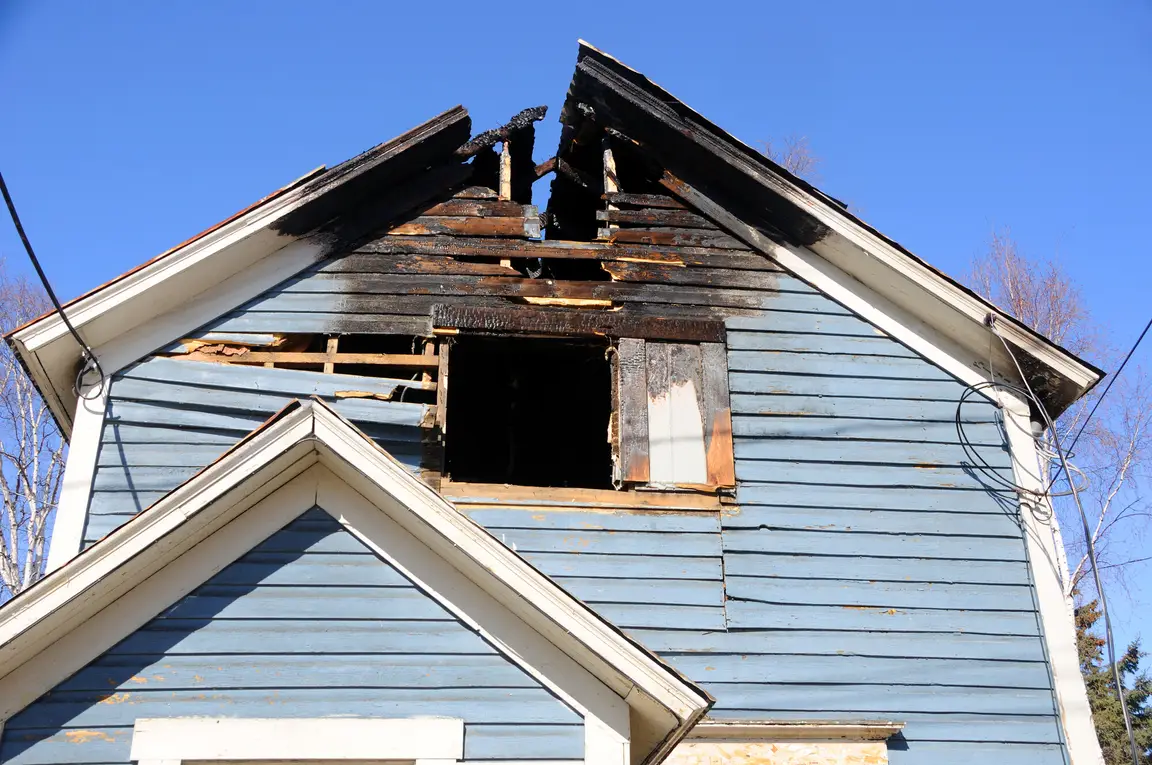
A house fire changes everything, and figuring out what to do with the property afterward is its own kind of stressful. I’ve bought fire damaged houses across Seattle and King County, and here’s what actually matters if you’re deciding whether to repair, rebuild, or just sell as-is.
What Insurance Actually Covers, and What It Doesn’t
Most homeowners policies cover fire damage, but the payout rarely covers everything a full repair actually costs, especially with smoke damage that spreads well beyond the room where the fire started. Between deductibles, coverage caps, and depreciation on older systems and finishes, a lot of owners end up with a settlement that falls short of what a contractor quotes to bring the house back to move-in condition.
Smoke and Water Damage Often Outlast the Fire Itself
The visible fire damage is usually only part of the problem. Smoke can work its way into insulation, ductwork, and framing, and the water used to put the fire out often causes its own damage to flooring, drywall, and electrical systems. That combination is why fire damaged houses frequently need far more extensive repairs than the burned area alone suggests, and why contractor estimates can run higher than owners expect going in.
Repair, Rebuild, or Sell As-Is: Weighing the Real Numbers
Repairing means living with contractors and permits for months, on top of whatever the insurance settlement doesn’t cover. Rebuilding from a full loss means an even longer process and new construction costs at today’s prices. Selling as-is means no repairs, no contractors, and no more months of a house sitting unlivable while decisions get made. For a lot of owners, once they actually compare the repair quote to what they’d net selling as-is right now, the as-is number starts looking a lot more reasonable.
A Situation I See More Than People Expect
This is a composite, not one specific client, but it reflects a pattern I run into around King and Pierce County. A kitchen fire causes damage that looks contained to one room, but the insurance adjuster’s smoke damage assessment ends up covering most of the house. The owner gets a settlement, gets a couple of contractor quotes that run well past the payout, and realizes they’d be financing the gap out of pocket just to get back to where they started. Selling directly, insurance settlement and all, lets them walk away and move on without funding a renovation on a house they may not even want to live in again after a major fire.
Have a Fire Damaged House to Sell?
Get a fair cash offer, no repairs required first.
What I Walk Sellers Through
- Tell me about the fire, the insurance claim, and the current condition of the house.
- I’ll give you a cash offer that accounts for the damage as it exists, no repairs required.
- We coordinate with your insurance company if there’s an open claim or settlement.
- Close on a timeline that works for you, often 7 to 14 days.
- You walk away without financing repairs on a house you may not want back anyway.
Where Sellers Lose Money
Owners often spend months getting repair estimates and fighting with insurance over what’s actually covered, all while continuing to pay the mortgage and insurance on a house that’s sitting empty and often uninsurable at full value in its current condition. Others sink savings into partial repairs, only to find hidden smoke or water damage once walls come open, adding even more cost. Selling as-is from the start usually means less time and less money spent chasing a repair that may not even be worth finishing.
Why Sellers With Fire Damage Call Me
Vacant Fire Damaged Houses Face Extra Insurance and Safety Risk
A fire damaged house that sits empty while repair decisions get made often becomes harder to insure at full value, since insurers treat vacant properties as higher risk for further damage, vandalism, or code violations. In Seattle and King County, an unsecured fire damaged structure can also draw code enforcement attention if it’s left open or unsafe for an extended period. That combination of rising insurance risk and potential code exposure is another reason many owners decide the fastest sale, rather than a long repair timeline, is the option that actually protects them financially.
I buy fire damaged houses as-is, smoke damage, water damage, and all, so there’s no need to repair anything before closing. I can work directly with your insurance company on any open claim, and I’ve been buying houses across Seattle and the greater Puget Sound area for 10 years, fire damaged properties included.
Need to Sell a Fire Damaged House?
Contact us for your cash offer today.
Fire Damaged House Questions I Get Asked Most
Do I have to disclose fire damage when I sell? Yes, under Washington’s Seller Disclosure Statement, known fire and smoke damage needs to be disclosed to a buyer.
Can I sell before my insurance claim is settled? Often yes. I can work with you and your insurance company to close even with an open claim, depending on the details.
Do I need to repair the house before selling to you? No. I buy fire and smoke damaged houses as-is, no repairs required.
What if the house has significant smoke damage beyond the fire itself? That’s common, and it’s already factored into how I evaluate the property. You don’t need to remediate it first.
How fast can you close on a fire damaged house? Often 7 to 14 days once we agree on terms, or on a timeline that works around your insurance process.
Will a fire damaged house pass a home inspection for a traditional buyer? Often not without significant repairs first. Traditional buyers using a mortgage typically need the home to meet lender habitability standards, which is another reason a direct as-is sale tends to move faster.
Does a fire damage disclosure follow the house even after repairs? Washington’s disclosure rules focus on what you currently know about the property’s condition. Past fire history that’s been fully repaired and disclosed appropriately is different from actively unresolved damage, so it’s worth discussing your specific situation with an attorney or agent if you have questions.
Serving Homeowners Across the Puget Sound Area
Wherever you’re located, we can help. We buy houses throughout Seattle, Tacoma, Bellevue, Renton, Federal Way, Everett, Olympia, Vancouver, Bellingham, Kent, Shoreline, Lacey, Lynnwood, Issaquah, Marysville, Edmonds, Auburn, Bothell, Burien, Kirkland, Redmond, and Puyallup.