
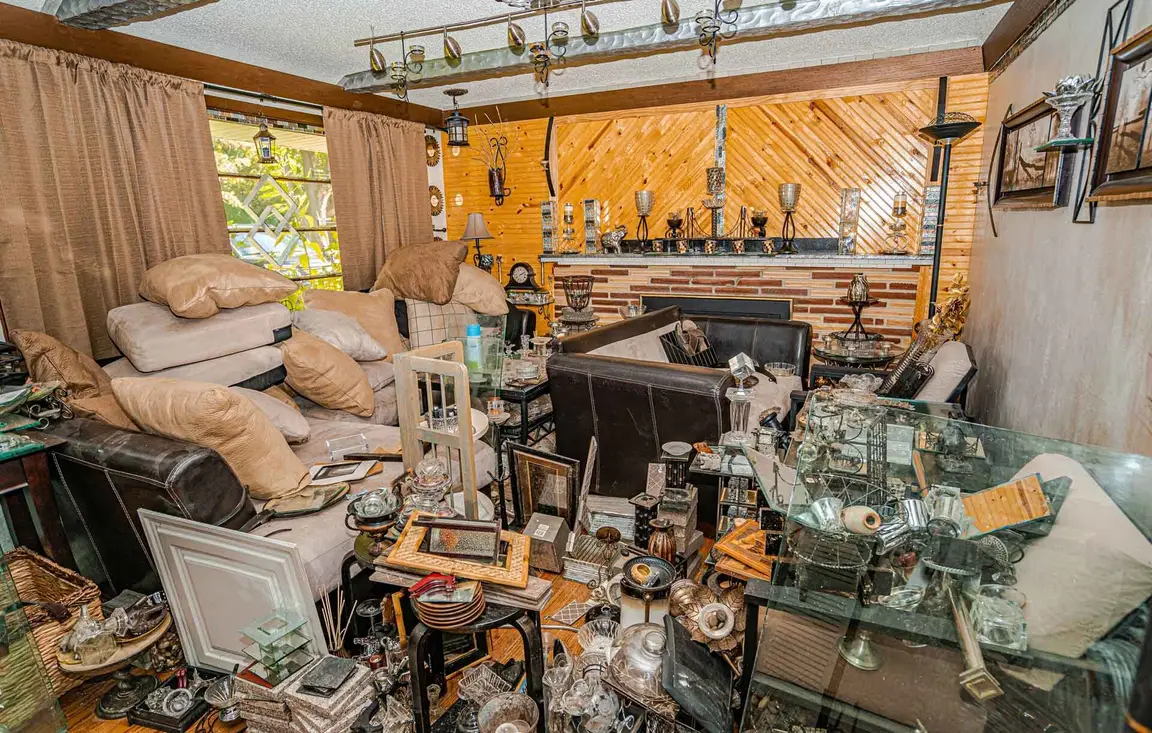
I’ve bought more than a few houses in Seattle where the hardest part wasn’t the paperwork, it was walking through rooms stacked floor to ceiling and knowing there was a person, usually someone’s parent or grandparent, who lived like that for years. If you’re the one dealing with a hoarder house right now, whether it’s your own home or one you inherited, I want to start by saying this: you don’t have to clean it out, fix it up, or even fully understand how it got this way before you can sell it.
What Makes a House a “Hoarder House”
Hoarding disorder is a recognized mental health condition, not a character flaw, and it affects people across every neighborhood in King County, not just the houses you’d expect. The properties I see range from a single cluttered room to homes where entire floors are inaccessible. Some have been that way for a few years. Others have been building for decades, sometimes since a spouse passed away or a health decline made it impossible for someone to keep up. However it happened, by the time a family calls me, the question usually isn’t how to fix it, it’s how to get out from under it without spending money the estate doesn’t have.
What Seattle Code Enforcement Can Actually Do
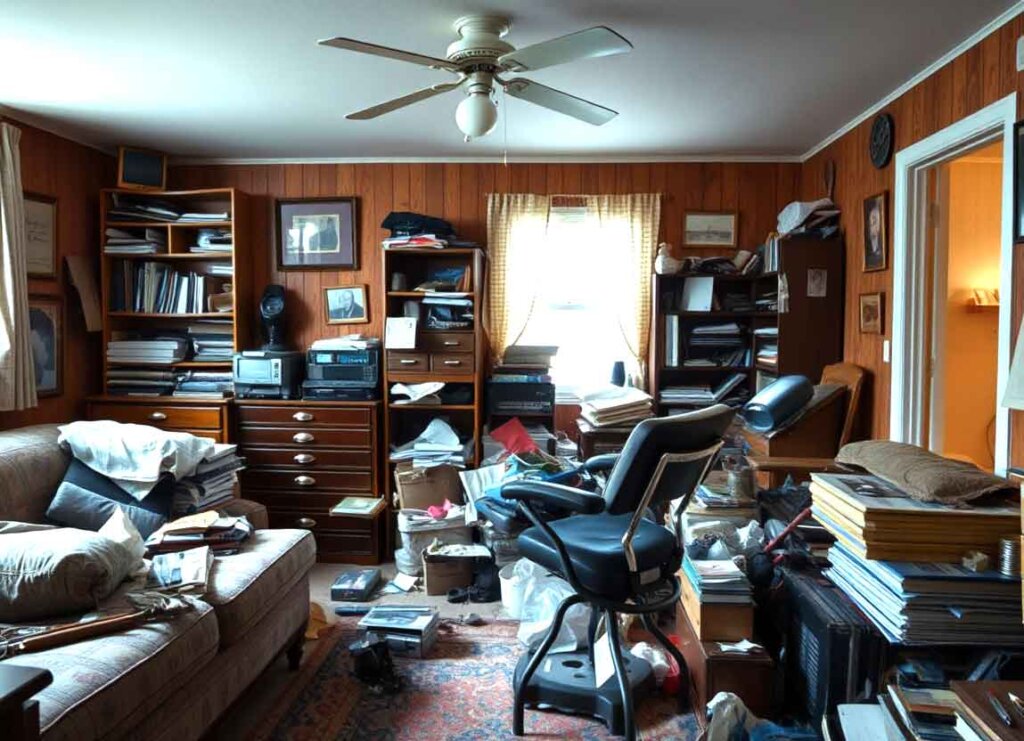
King County and the City of Seattle can and do act on hoarder properties when conditions cross into a public safety issue: blocked exits, structural damage, pest infestations that spread to neighboring units, or utilities that have been shut off for an extended period. It usually starts with a neighbor complaint or a welfare check, then a notice to correct specific violations within a set timeframe. Selling before that process escalates, rather than after a condemnation notice shows up, almost always leaves the family with more options and a better price.
Selling your hoarder house?
Contact us for your cash offer today.
The Real Risks Inside These Houses
I don’t sugarcoat this part with sellers, because it matters for safety, not just for sale price. Deep clutter traps moisture, which means mold behind walls and under stacked belongings that you can’t see from the doorway. Pests, rodents especially, move in wherever food or paper waste accumulates undisturbed. And structurally, floors can sag under years of concentrated weight in ways that aren’t obvious until someone’s standing on them. None of that is a reason to panic, but it is exactly why I buy these houses the way I do: I look at the property once, account for what’s likely underneath the clutter, and make an offer that reflects the real condition, not a guess based on a walkthrough of the two rooms that are actually clear.
Fix It, Clean It, or Sell It As-Is
A full professional cleanout in the Seattle area for a heavily hoarded house commonly runs several thousand dollars once you include hauling, dumpster fees, and any biohazard remediation, and that’s before repairs to whatever the clutter was hiding. For some families, especially when the house is going to be renovated and resold on the open market anyway, that expense makes sense. For most of the people I talk to, it doesn’t. If the estate doesn’t have cash sitting around for a cleanout crew, or nobody wants to spend weekends sorting through a parent’s belongings, selling as-is means the contents, the cleanup, and the repairs all become my problem instead of yours.
Inheriting a Hoarder House in Seattle
If this house came to you through a family member, you’re usually managing two things at once: settling an estate and processing a loss, sometimes while living in another state. A few things I’d check early: whether the home’s plumbing and electrical still function safely, whether there’s any visible structural sagging, and whether the county has already flagged the property for anything. Beyond that, you don’t need a full inspection or a cleanout plan before you talk to a buyer. I’ve walked plenty of out-of-state heirs through a sale without them ever needing to set foot in the house.
- Check whether utilities are still on and functioning
- Look for any notices from the county or city taped to the door or in the mail
- Don’t feel obligated to sort through belongings before getting an offer
- Get a cash offer before spending money on cleaning or repairs
Selling With an Agent vs. Selling to Me Directly
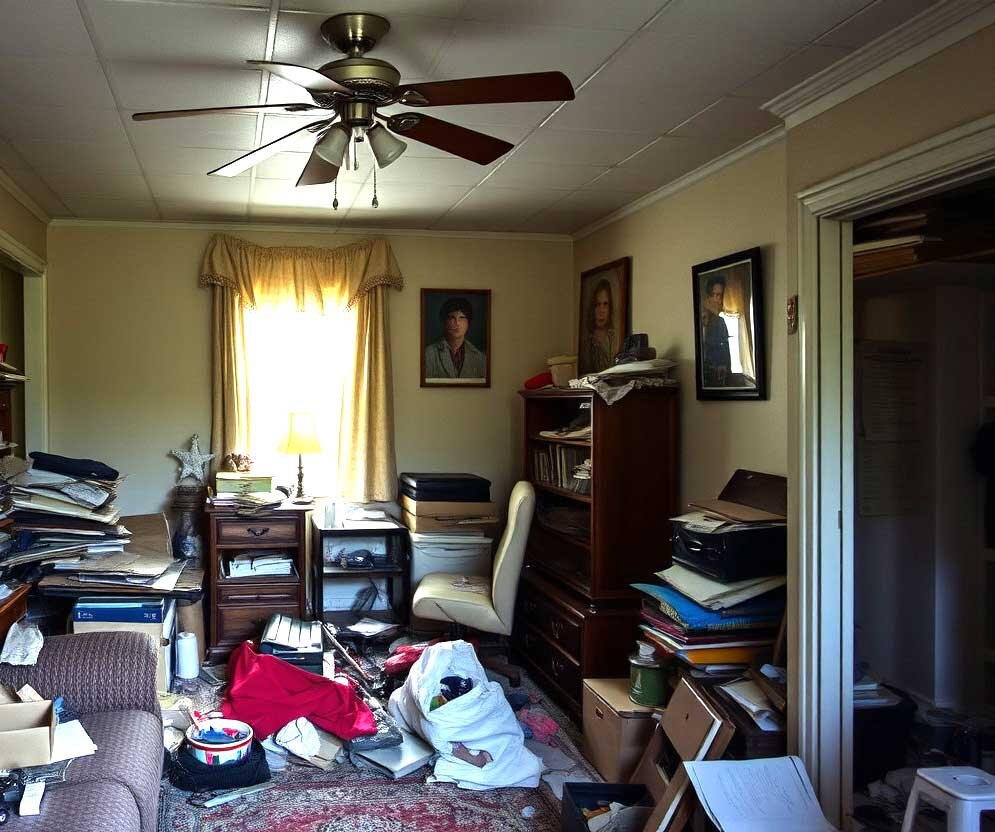
A real estate agent can work if the house only needs light cleaning and the family has time to prep it for showings. But agents generally can’t list a home with blocked rooms or safety hazards without addressing them first, which puts the cleanout cost back on you before a single showing happens. Selling directly to me skips that step entirely. I buy the house in whatever state it’s in, contents included, and there’s no staging, no open houses, and no strangers walking through a home that’s been someone’s private struggle for years.
How I Handle the Sale, Start to Finish
- One walkthrough, one offer. I look at the property, account for what’s likely hidden by clutter, and give you a cash number within 24 hours.
- You take what you want, leave the rest. Photos, keepsakes, anything with meaning, take your time with those. Everything else stays and becomes my responsibility to clear.
- No inspection contingencies to negotiate around. I’m not asking for repairs or credits after the fact, the offer already accounts for the home’s real condition.
- Close on your timeline. Some families need two weeks, others need two months to finish sorting through what matters to them first. Either works.
Questions I Hear Most About Hoarder House Sales
Do I have to disclose the hoarding to a buyer? If you sell on the open market, yes, Washington’s disclosure rules generally require it. Selling directly to me removes that conversation since I’m buying the property as-is, condition and history included.
Can the house be condemned before I get a chance to sell it? It’s possible if code enforcement has already been involved and deadlines were missed, but most properties I see haven’t reached that point. Selling sooner rather than later is the best way to stay ahead of it.
Do I need to remove the belongings myself first? No. I buy hoarder houses with the contents left inside. Take anything you want to keep, and I’ll handle clearing out the rest as part of the purchase.
What if I’m not the one who hoarded the house, I just inherited it? That’s the situation I see most often. You’re not expected to have answers about how the house got this way, and you’re not required to fix it before selling. I work directly with heirs and personal representatives on these all the time.
Need to get rid of your hoarder house? We can help.
Contact us for your cash offer today.
Related Articles
Yes, you can sell your hoarder house in Seattle, and you don’t have to face it alone.
Selling a hoarder house is rarely just a real estate transaction, there’s usually a person and a family history wrapped up in it. I’ve worked with enough of these situations to know how to move through the sale with the property’s condition handled and the family’s privacy respected. If you’re ready to talk about your options, reach out and I’ll walk you through exactly what a cash offer would look like for your specific house.
Serving Homeowners Across the Puget Sound Area
Wherever you’re located, we can help. We buy houses throughout Seattle, Tacoma, Bellevue, Renton, Federal Way, Everett, Olympia, Vancouver, Bellingham, Kent, Shoreline, Lacey, Lynnwood, Issaquah, Marysville, Edmonds, Auburn, Bothell, Burien, Kirkland, Redmond, and Puyallup.