
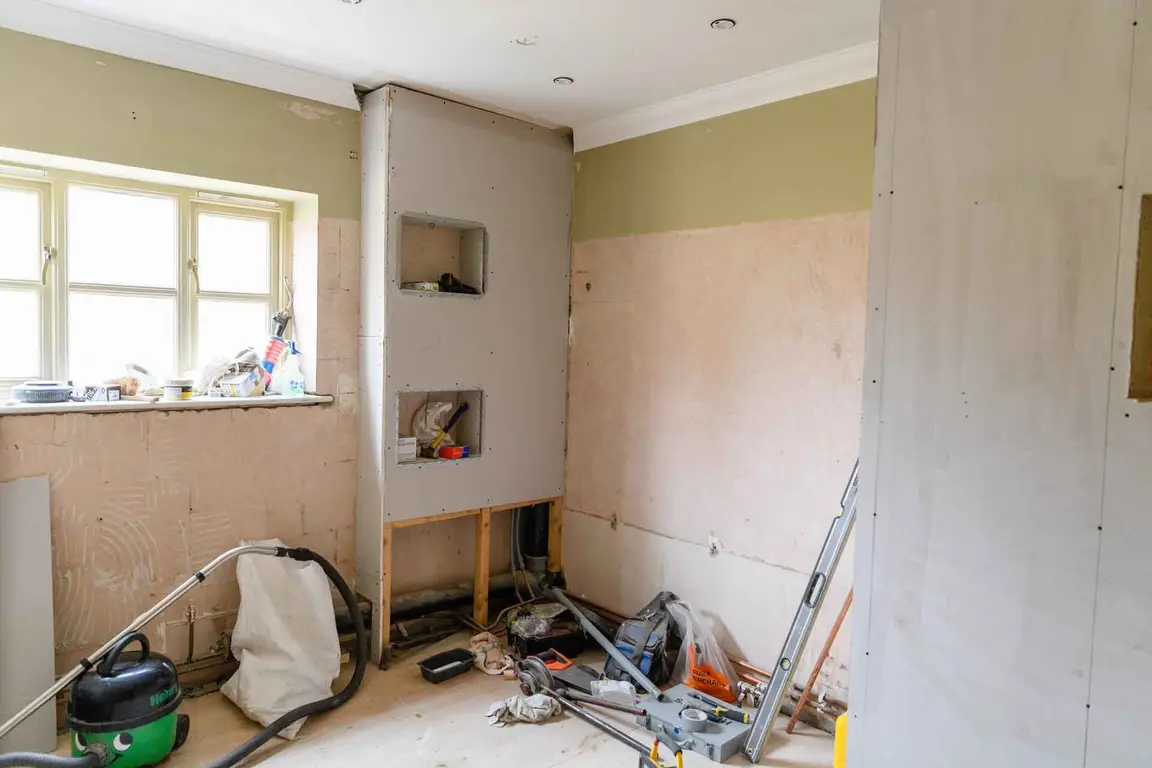
Unpermitted work shows up on more Seattle-area houses than most sellers expect. A finished basement from the eighties, a converted garage, a deck someone’s uncle built one summer. I’ve bought a lot of houses with this exact issue, and here’s what actually matters when you’re trying to sell one.
Why It’s So Common in Older Seattle Homes
A lot of King County’s housing stock was built decades ago, and a lot of it has been added onto since without anyone pulling a permit through the Seattle Department of Construction and Inspections (SDCI) or the King County permitting office for unincorporated areas. Sometimes it was a previous owner who didn’t know better, sometimes it was a contractor cutting corners, and sometimes it’s work the current seller did themselves years ago and never thought about again until it’s time to sell.
The Real Risk Isn’t the City Finding Out
Most sellers assume the danger is getting caught by an inspector, but the bigger issues usually show up during a traditional sale instead. A buyer’s home inspector often flags unpermitted additions directly. Appraisers may not count an unpermitted bedroom or addition toward the home’s square footage, which can drag the appraised value down and put a buyer’s financing at risk. FHA and VA loans in particular can be strict about unpermitted conversions like a garage turned into living space. And under Washington’s Seller Disclosure Statement (Form 17), you’re required to disclose known unpermitted work to a buyer, so it isn’t something that quietly disappears once you list.
Getting a Permit After the Work Is Already Done
It’s possible to get what’s sometimes called an “as-built” or retroactive permit for work that’s already finished, but it isn’t simple. The city typically requires the work to meet current building code, not the code in place when it was originally built, which can mean opening up walls or ceilings so an inspector can actually see the electrical, plumbing, or framing underneath. Depending on what’s involved, that process can take months and cost more than the work itself originally did, and there’s no guarantee everything passes on the first attempt.
A Situation I See More Than People Expect
This is a composite, not one specific client, but it’s a pattern I run into a lot in South King County. A homeowner converted their garage into a bedroom years ago to help with rent or family space, never pulled a permit, and now they’re trying to sell. A traditional buyer’s lender flags the square footage discrepancy, the appraisal comes in below the listed price because the extra room can’t be counted, and the deal falls apart during financing. Selling directly avoids that whole chain of events, since there’s no appraisal contingency or lender square footage requirement standing between you and closing.
Have Unpermitted Work in Your House?
Get a fair cash offer, no permits or repairs required first.
What I Walk Sellers Through
- Tell me what work was done and whether a permit was ever pulled, even if you’re not totally sure.
- I’ll give you a cash offer that accounts for the property as it actually is, no permit or repair required first.
- You disclose what you know on the Seller Disclosure Statement, same as you would with any sale.
- We close without an appraisal contingency or lender square footage requirement getting in the way.
- You walk away without spending months and thousands of dollars chasing a retroactive permit.
Where Sellers Lose Money
Sellers often try to fix the problem before listing, paying a contractor to open up walls and pull a retroactive permit, only to find the process drags on for months while the house sits off market. Others list without disclosing, then face legal exposure after closing when the buyer finds out. And even sellers who disclose everything upfront often watch a traditional sale collapse when a lender’s appraiser won’t count the unpermitted square footage, killing the buyer’s financing after weeks of back and forth. Any of these paths can cost more in time and money than just selling as-is from the start.
Why Sellers With Unpermitted Work Call Me
How Unpermitted Work Can Affect Insurance Claims
Unpermitted work can also complicate homeowners insurance down the road. If damage traces back to an unpermitted addition or system, like wiring in a converted garage or plumbing in a basement bathroom, some insurers reserve the right to deny or reduce a claim tied to work that was never inspected or brought up to code. That risk sits with the current owner until the house sells, and it’s one more reason sellers often decide it isn’t worth the time and cost of chasing a permit after the fact just to satisfy a buyer’s checklist.
I buy houses as-is, including the unpermitted additions, conversions, and repairs that make a traditional sale harder. There’s no appraisal contingency to worry about and no lender requiring proof of permits before closing. I’ve been buying houses across Seattle and the greater Puget Sound area for 10 years, and unpermitted work is one of the most common issues I help sellers work through.
Need to Sell a House with Unpermitted Work?
Contact us for your cash offer today.
Unpermitted Work Questions I Get Asked Most
Do I have to disclose unpermitted work when I sell? Yes, under Washington’s Seller Disclosure Statement (Form 17), you’re required to disclose known unpermitted work to a buyer.
Can I get a permit for work that’s already finished? Often yes, through what’s called an as-built or retroactive permit, but it usually requires bringing the work up to current code and can mean opening up walls for inspection.
Will unpermitted work stop me from selling to a traditional buyer? It can complicate financing. Appraisers may not count unpermitted square footage, and some loan types are stricter about it than others.
Do I need to fix or permit the work before selling to you? No. I buy houses as-is, including whatever unpermitted work is already there.
How fast can you close on a house with unpermitted work? Often 7 to 14 days, since there’s no appraisal contingency or lender permit requirement holding up the sale.
Serving Homeowners Across the Puget Sound Area
Wherever you’re located, we can help. We buy houses throughout Seattle, Tacoma, Bellevue, Renton, Federal Way, Everett, Olympia, Vancouver, Bellingham, Kent, Shoreline, Lacey, Lynnwood, Issaquah, Marysville, Edmonds, Auburn, Bothell, Burien, Kirkland, Redmond, and Puyallup.