
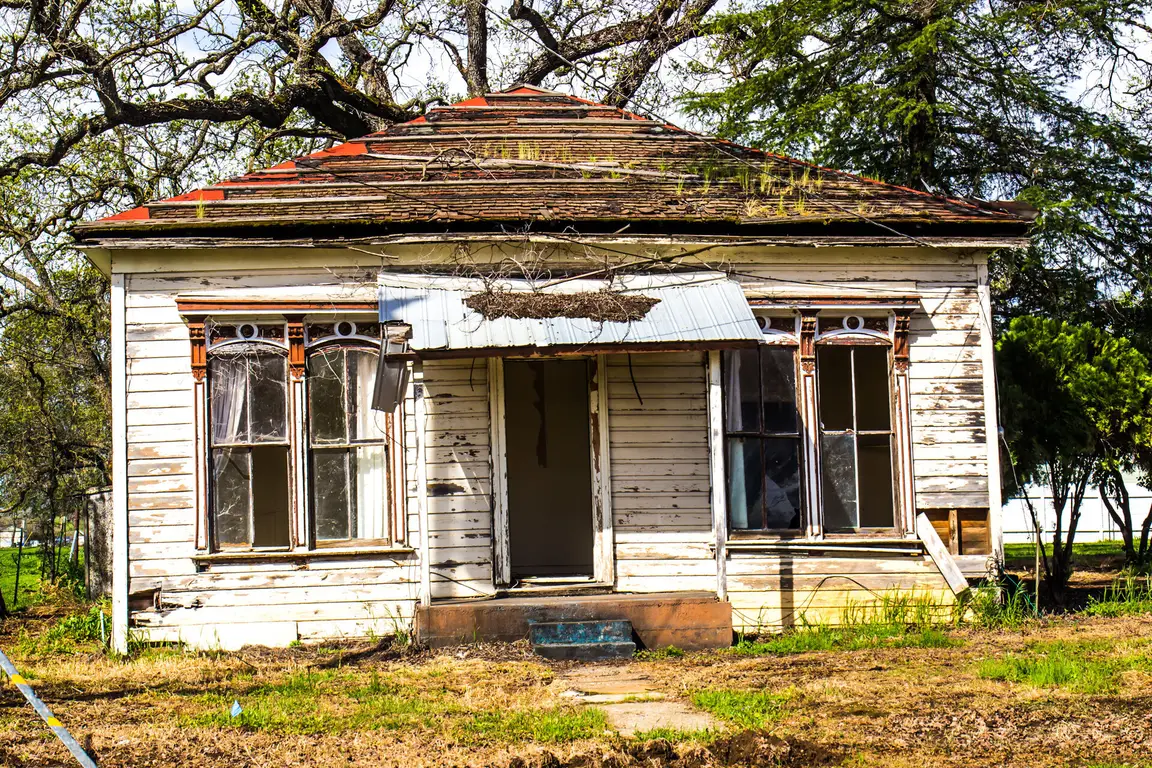
Yes, you can sell a condemned house in Seattle, but it doesn’t work like a normal sale. I’ve bought several condemned and red-tagged properties across King County, and the process has its own rules once the city or county has declared a house unsafe or uninhabitable. Here’s what actually happens and where sellers get stuck.
What Actually Makes a House “Condemned” Here
In Seattle, the Department of Construction and Inspections (SDCI) can issue an emergency order or notice of violation and post a “do not occupy” placard on a house it considers unsafe: fire damage, structural failure, code violations left unaddressed, or conditions that make the property a hazard. In unincorporated King County, the same kind of enforcement runs through the county’s Permitting Division. Once that happens, the house is legally off-limits to live in until the issues are fixed and the order is lifted.
Can You Still Sell It? Yes, But Not to a Traditional Buyer
A condemned or red-tagged property generally can’t be financed by a conventional, FHA, or VA loan, since lenders require the home to be habitable to qualify. That rules out most retail buyers, who need a mortgage to close. It doesn’t rule out cash buyers and investors, who can purchase the property as-is without a lender’s habitability requirement getting in the way.
What Happens to the Mortgage
The city or county condemning a house doesn’t erase what’s owed on it. If there’s still a mortgage, payments are due on the same schedule regardless of whether anyone can legally live there. I’ve talked to owners who assumed the condemnation would somehow pause their loan, and it doesn’t. That’s often exactly why they need to sell fast, since the carrying costs continue whether the house is occupied or not.
Liens and Fines That Can Attach to the Property
Unresolved code violations can come with fines, and in some cases a city or county can place a lien on the property for unpaid penalties or for the cost of emergency abatement work it performed itself. Those liens have to be accounted for at closing, whether that means paying them off from sale proceeds or negotiating with the seller ahead of time. It’s one more reason a straightforward cash sale, where I can research and resolve title issues directly with escrow, tends to move faster than trying to list a condemned property traditionally.
A Situation I See More Than People Expect
This is a composite, not one specific client, but it reflects a pattern common around older South King County housing stock. A house sits vacant after a fire or years of deferred maintenance, the city posts a notice, and the owner gets quotes on repairs or demolition that run into the tens of thousands of dollars once asbestos abatement and permitting are factored in, which is common in homes built before the 1980s. Selling as-is to a cash buyer, instead of pouring more money into a property that may still need extensive work, is often the option that actually gets them out from under it.
Own a Condemned House?
Get a fair cash offer, no repairs or demolition required first.
What I Walk Sellers Through
- Confirm the condemnation order and what triggered it, so we know exactly what we’re dealing with.
- Check for any liens or unpaid fines attached to the property.
- Give you a cash offer as-is, no repairs, cleanout, or demolition required.
- Work with escrow to resolve any liens or title issues before closing.
- Close on a timeline that stops the mortgage and carrying costs from piling up further.
Where Sellers Lose Money
Owners often spend months getting repair or demolition quotes before deciding what to do, all while continuing to pay the mortgage, insurance, and property taxes on a house they can’t legally occupy. Some sink money into partial repairs trying to get the condemnation order lifted, only to find the full scope of work costs far more once an inspector gets involved. Selling as-is from the start usually means less money spent and a faster exit from a property that’s costing money every month it sits.
Why Sellers With a Condemned House Call Me
Insurance Rarely Covers a Condemned House
Once a house is condemned or sitting vacant, most standard homeowners policies either exclude coverage or significantly limit it, since vacancy and unsafe conditions are exactly the kind of risk insurers try to avoid underwriting. That means if there’s further damage, a break-in, or additional deterioration while the property sits in limbo, you may be covering the loss out of pocket with no policy behind you. It’s another reason owners often decide the fastest exit is the cheapest one, rather than holding onto a property that’s becoming harder to insure and more expensive to maintain the longer it sits.
I buy houses as-is, including condemned and red-tagged properties, so there’s no financing contingency to worry about since I’m not depending on a lender’s habitability requirements. I can research and resolve title issues directly with escrow, and I’ve been buying houses across Seattle and the greater Puget Sound area for 10 years, condemned properties included.
Need to Sell a Condemned House?
Contact us for your cash offer today.
Condemned House Questions I Get Asked Most
Can I sell a condemned house without fixing it first? Yes, to a cash buyer. Traditional buyers using a mortgage generally can’t close on a condemned property since lenders require habitability.
Do I still owe the mortgage if my house is condemned? Yes. Condemnation doesn’t pause or cancel a mortgage. Payments are still due on schedule.
What if there are fines or liens on the property? These need to be resolved at or before closing. I work directly with escrow to sort out liens and unpaid fines as part of the sale.
Is it cheaper to demolish or to sell as-is? Demolition in King County, especially with asbestos abatement in older homes, often runs into the tens of thousands of dollars. Selling as-is usually costs you nothing out of pocket.
How fast can you close on a condemned house? Often 7 to 14 days once we confirm the condemnation details and any liens, though timelines can vary depending on what needs to be resolved first.
Serving Homeowners Across the Puget Sound Area
Wherever you’re located, we can help. We buy houses throughout Seattle, Tacoma, Bellevue, Renton, Federal Way, Everett, Olympia, Vancouver, Bellingham, Kent, Shoreline, Lacey, Lynnwood, Issaquah, Marysville, Edmonds, Auburn, Bothell, Burien, Kirkland, Redmond, and Puyallup.